
Phone:+86 632 6510078
Phone:+86 632 6510078
Glycidyl Methacrylate Market size was valued at USD 0.12 Billion in 2022 and is projected to reach USD 0.23 Billion by 2030, growing at a CAGR of 8.9% from 2024 to 2030.
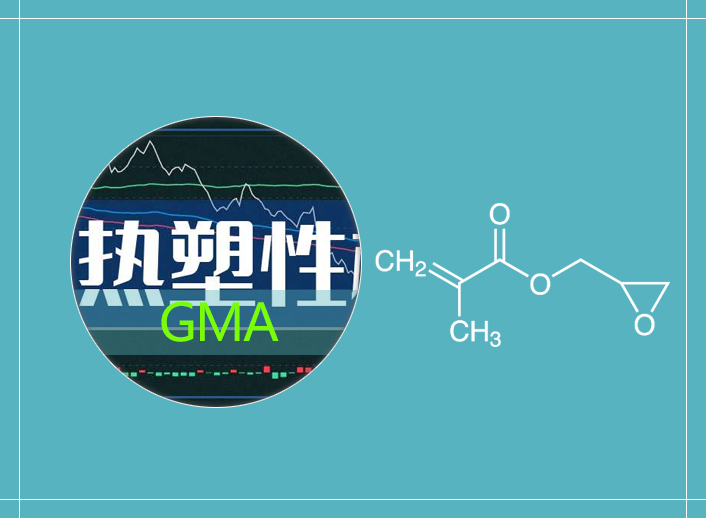
Understanding Glycidyl Methacrylate: Market Applications and Industry Requirements
Glycidyl methacrylate (GMA) is gaining widespread attention across various industries due to its versatile chemical properties. As a reactive monomer, it plays a significant role in the synthesis of high-performance polymers and copolymers. This article explores the growing applications of GMA and outlines the specific industry requirements that drive its demand.
Key Applications of Glycidyl Methacrylate
Glycidyl methacrylate is primarily used in the production of advanced materials such as adhesives, coatings, and functional polymers. Its ability to undergo polymerization and form crosslinked structures makes it a valuable component in many industrial processes.
Adhesives and Sealants: GMA is often used in the formulation of high-performance adhesives, particularly in automotive, aerospace, and electronics industries. The incorporation of GMA improves adhesion to various substrates, providing strong and durable bonds.
Coatings: In coatings, GMA enhances the durability and chemical resistance of the final product. It is commonly found in automotive coatings, industrial coatings, and protective coatings used in harsh environments.
Polymer Blends: GMA is utilized in producing copolymers for specialty applications, such as in the manufacturing of plastics with enhanced properties like heat resistance, impact strength, and UV stability.
Industry Requirements Driving Glycidyl Methacrylate Demand
The demand for Glycidyl Methacrylate is closely linked to the evolving needs of various sectors. Manufacturers are increasingly looking for materials that offer enhanced performance, durability, and functionality. Here are the key industry requirements fueling the market's growth:
Performance and Durability: Industries such as automotive and aerospace demand materials that can withstand extreme conditions. GMA's incorporation into coatings and adhesives improves resistance to heat, chemicals, and mechanical wear.
Environmental Regulations: With stricter environmental standards in place, industries are shifting towards sustainable, low-emission products. GMA-based polymers are often chosen for their lower environmental impact compared to traditional alternatives.
Customization and Functionalization: The ability to tailor the properties of materials through GMA polymerization is particularly valuable in sectors like electronics, where specific functional properties such as conductivity or thermal resistance are needed.
Global Market Trends and Forecast
The global glycidyl methacrylate market is poised for significant growth. As of recent market reports, the global market size for GMA is expected to expand at a compound annual growth rate (CAGR) of over 6% from 2023 to 2030. This growth is driven by increasing industrial demand for high-performance materials, especially in the automotive, electronics, and coatings industries.
Glycidyl Methacrylate Market Segmentation Insights
The Glycidyl Methacrylate Market is segmented based on key criteria like demographics, geography, product type, application, and end-user, enabling a focused approach for each unique group. By analyzing each segment's characteristics, preferences, and behaviors, businesses can customize their marketing strategies, products, and services to align with specific needs. This targeted approach boosts market penetration, improves customer satisfaction, and drives profitability, ultimately supporting a more effective market strategy and enhancing overall business growth.
Regional Analysis of Glycidyl Methacrylate Market
Due to a variety of global economic, cultural, and technological variables, the Glycidyl Methacrylate industry shows notable regional variability. High consumer spending power and sophisticated infrastructure propel market expansion in developed regions like North America and Europe. Asia-Pacific, on the other hand, is a vibrant center driven by fast urbanization, industrialization, and the growth of the middle class. With growing investments and government assistance promoting development, emerging economies in Latin America, Africa, and the Middle East present unrealized potential. The Glycidyl Methacrylate market is crucial to the global economy because it promotes worldwide trade, job development, and technology advancements. In order to ensure continuous growth and competitiveness, its regional variances highlight the significance of customized strategies to satisfy distinct market needs, regulatory contexts, and customer preferences.
North America(United States, Canada and Mexico)
Europe(Germany, UK, France, Italy, Russia and Turkey etc.)
Asia-Pacific(China, Japan, Korea, India, Australia, Indonesia, Thailand, Philippines, Malaysia and Vietnam)
South America(Brazil, Argentina, Columbia etc.)
Middle East and Africa(Saudi Arabia, UAE, Egypt, Nigeria and South Africa)
Key Manufacturers in the Glycidyl Methacrylate Market
Glycidyl Methacrylate Market are renowned for their innovative approach, blending advanced technology with traditional expertise. Major players focus on high-quality production standards, often emphasizing sustainability and energy efficiency. These companies dominate both domestic and international markets through continuous product development, strategic partnerships, and cutting-edge research. Leading manufacturers prioritize consumer demands and evolving trends, ensuring compliance with regulatory standards. Their competitive edge is often maintained through robust R&D investments and a strong focus on exporting premium products globally.
DowDuPont
Mitsubishi Gas Chemical
Evonik Industries
Estron Chemicals
Sumitomo Chemicals
Lianyungang Ningkang Chemical
Wuhan Incre-Star Chemical
Future Scope of the Glycidyl Methacrylate Market
The Glycidyl Methacrylate market has a lot of room to grow thanks to changing regulations, rising consumer demand, and technology developments. Innovation in product offerings and digital transformation are anticipated to influence the market's growth as it matures. Demand is probably going to be driven by growing interest in eco-friendly and sustainable solutions, particularly in industries like manufacturing and healthcare. Furthermore, France's aging population and declining labor force might encourage automation and AI-powered technology in a variety of sectors. Rising disposable incomes and consumer preferences for quality over quantity are expected to drive a shift in sales ratios toward higher-value, premium products. Growth prospects will be further improved by government programs encouraging industry modernization and international trade alliances. However, market dynamics may be impacted by strict restrictions and competitive pressures.

 +86 13176033723

 ↑ Top
↑ Top